 Reviews

 Proudly American

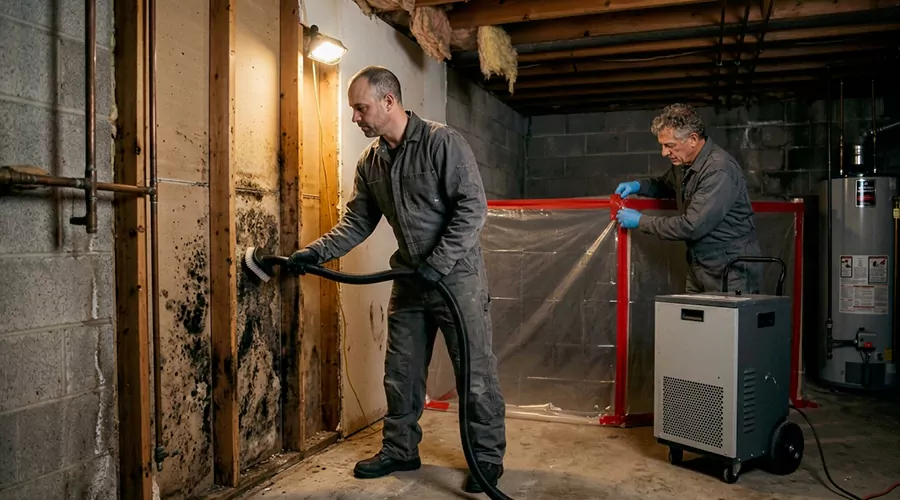
Black mold remediation cost typically falls between $2,000 and $10,000 in 2026 for affected residential areas that require controlled removal. Smaller mold projects can start near $500 while widespread whole-house problems can reach $30,000. The final price depends more on the affected area than the mold's color.
A dark patch does not prove that the growth is Stachybotrys chartarum. The CDC also states that this mold should be treated like other indoor molds for removal purposes. Size and location usually have a greater effect on the final bill.
How Much Does Mold Remediation Cost per Square Foot?
Mold remediation commonly costs about $10 to $30 per square foot in 2026. The lower end usually applies to accessible areas with limited material removal. Costs increase when containment is needed or mold has reached drywall. Difficult access can also increase labor even when the affected area is relatively small.
Current national cost data shows these general ranges:
| Size of Affected Area | Typical 2026 Cost |
|---|---|
| Small area of 10 to 100 sq. ft. | $500 to $1,500 |
| Medium area of 100 to 300 sq. ft. | $1,500 to $6,000 |
| Large area of 300 to 1,000 sq. ft. | $6,000 to $15,000 |
| More than 1,000 sq. ft. | $15,000 to $30,000 |
Square footage is only the starting point. Two 100-square-foot projects can have very different prices if one is on an exposed bathroom wall while the other is behind finished basement walls.
The EPA also uses area size when discussing mold cleanup. Problems under about 10 square feet are treated differently from larger areas because containment needs increase as the affected space grows.
What Affects Black Mold Remediation Cost?
The biggest cost factors are the amount of growth and where it is located. Material removal can add significant expense when mold has entered drywall or insulation. The original moisture source also needs correction or the same conditions can allow mold to return after cleanup.
Major pricing factors include:
- Total square footage affected
- Location of the mold
- Access to the contaminated area
- Amount of containment required
- Type of building material affected
- Amount of drywall removal
- Insulation replacement
- Moisture source repairs
- HVAC involvement
- Reconstruction after cleanup
Mold damage cleanup becomes more expensive when several building layers are involved. A visible patch on drywall may extend to the backside of the board or the framing behind it.
The type of mold usually matters less than many homeowners expect. The CDC recommends the same basic removal approach for Stachybotrys chartarum as other indoor molds.
How Much Does Mold Removal Cost by Location?
Location can change the price because mold inside a wall or HVAC system takes more work to reach than growth on an exposed bathroom surface. Current 2026 estimates range from several hundred dollars for a limited bathroom problem to $30,000 for widespread contamination throughout a house.
Typical ranges include:
| Location | Typical 2026 Cost |
|---|---|
| Bathroom | $500 to $2,000 |
| Basement | $500 to $6,000 |
| Crawl space | $500 to $4,000 |
| Attic | $1,000 to $6,000 |
| Wall | $1,000 to $20,000 |
| HVAC system or ducts | $2,000 to $10,000 |
| Whole house | $10,000 to $30,000 |
Bathroom Mold
Bathrooms often develop mold around showers or poorly ventilated surfaces. Limited exposed growth can stay near the lower end of the price range.
The cost rises when moisture has entered the wall behind a tub or sink. Surface mold can sometimes be only the visible edge of a larger damp area.
Basement Mold
Basement mold can involve finished walls or stored materials. Groundwater problems can also keep the area damp after surface cleaning.
Basement projects commonly cost more when drywall must be opened. Hidden insulation can increase the amount of material that requires removal.
Attic Mold
Attic growth often follows a roof leak or condensation problem. Difficult access can raise labor costs even when the visible mold area isn't especially large.
Mold restoration can also involve repairing damaged building materials after the contaminated area has been removed.
HVAC Mold
HVAC contamination can be more expensive because air-handling components are difficult to access. Airflow can also move particles into other areas of the building.
A mold remediation service may therefore need more containment when contamination has reached the air distribution system.
Why Can a Small Mold Problem Become Expensive?
A small visible patch can become expensive when the growth extends behind the finished surface. Mold needs moisture to grow, so hidden growth often indicates that water traveled farther than the visible discoloration suggests. Opening a wall can reveal wet insulation or damaged framing that changes the project scope.
For example, a homeowner might see a two-foot patch near a leaking window. Removing the drywall can reveal a larger area of damp insulation behind the wall.
Cost progression can look like this:
| Damage Stage | Typical Condition | Possible 2026 Cost |
|---|---|---|
| Limited surface growth | Accessible material with little damage | $500 to $1,500 |
| Hidden wall growth | Drywall removal and containment | $1,500 to $6,000 |
| Large room involvement | Several surfaces or deeper damage | $6,000 to $15,000 |
| Whole-house involvement | Multiple rooms or major water damage | $15,000 to $30,000 |
Mold and water damage remediation can occur during the same project when the original leak affected several materials.
The counterintuitive point is that visible size isn't always the best cost predictor. Access and hidden material damage can matter just as much.
How Much Do Inspection and Testing Add?
A mold inspection typically costs about $250 to $650 in 2026, depending on property size and the amount of investigation required. Testing can add expense when laboratory samples are collected. However, routine species testing is not always necessary when visible mold is already present.
The CDC does not recommend routine mold testing because there are no health-based indoor standards that define an acceptable mold count. Identifying the exact species also does not change the basic need to correct moisture and remove indoor growth.
An inspection can still be useful for locating the moisture source or determining how much material is affected.
A mold remediation specialist may also use moisture readings to check areas that don't yet show visible growth.
What Warning Signs Can Mean a More Expensive Project?
Higher remediation costs often appear when mold has moved beyond one exposed surface. Hidden growth or repeated moisture can expand the amount of material that needs removal. HVAC involvement can also widen the affected area. Several warning signs together deserve more attention than one small isolated spot.
Watch for these signs:
- Mold covers more than about 10 square feet.
- Growth returns soon after surface cleaning.
- Drywall feels soft near the affected area.
- Baseboards begin swelling.
- A musty odor extends into another room.
- Paint bubbles around a previous leak.
- Flooring begins lifting near the wall.
- Mold appears around HVAC vents.
- Insulation is visibly damp.
- Water stains continue expanding.
- Several rooms develop similar discoloration.
- Mold appears after a major flood.
Mold damage restoration can become necessary when materials lose their physical condition. Surface cleaning cannot repair drywall that has become soft or particleboard that has swollen.
The important clue is recurrence. Mold that keeps returning usually means the moisture condition remains unresolved.
Can You Estimate the Size of the Problem Yourself?
You can safely estimate the visible size without scraping or opening the wall. Measure the length and height of the affected surface and multiply the two numbers. This gives an approximate square-foot area that can be compared with EPA cleanup guidance.
For example, an area that measures 3 feet by 3 feet is about 9 square feet.
Use this simple check:
- Look at the visible edges without disturbing them.
- Measure the approximate width.
- Measure the approximate height.
- Multiply width by height.
- Photograph the area for comparison later.
- Check nearby surfaces for separate patches.
Do not cut drywall just to determine whether mold continues behind it. Opening a contaminated cavity can release particles into a larger part of the room.
The EPA considers an area below about 10 square feet a small mold problem in many situations. Medium projects range from about 10 to 100 square feet.
When Should You Call a Professional?
Professional help becomes more appropriate when mold covers more than about 10 square feet or follows major water damage. Mold inside HVAC equipment also needs greater care because airflow can spread particles. Sewage-related moisture creates another clear trigger because contamination extends beyond ordinary household mold cleanup.
Consider professional assessment when:
- The affected area exceeds about 10 square feet.
- Mold is inside a wall cavity.
- Several rooms are affected.
- The HVAC system may contain mold.
- Sewage caused the moisture problem.
- Outdoor flooding entered the home.
- Large sections of drywall need removal.
- Insulation is contaminated.
- Structural wood has deteriorated.
- Mold keeps returning.
- The source of moisture cannot be located.
- Occupants have concerns about exposure.
Black mold removal companies can differ in what their estimates include. One quote may cover containment and removal while another also includes repairs.
Ask for an itemized scope rather than comparing only the final number. A quote should make clear whether demolition or disposal is included.
Does the Cost Include Drywall and Other Repairs?
Remediation prices don't always include rebuilding. The contaminated material may be removed during the cleanup phase while new drywall or flooring is priced separately. A low remediation quote can therefore become more expensive once reconstruction is added to the project.
Common repairs can include:
- Drywall replacement
- New insulation
- Baseboard replacement
- Flooring repairs
- Cabinet repairs
- Painting
- Roof leak repair
- Plumbing repairs
Mold remediation and restoration are related but separate stages. Remediation addresses contaminated material while restoration returns damaged areas to usable condition.
Wall projects can become especially expensive because current 2026 estimates range from about $1,000 to $20,000 when hidden growth requires extensive opening or rebuilding.
This is why itemized pricing matters. The cheapest initial cleanup estimate isn't always the lowest total project cost.
How Can You Keep Mold Remediation Costs Lower?
The best way to control future costs is to correct moisture before a small problem spreads into several building materials. EPA guidance states that mold growth will return when the water problem isn't corrected. Regular moisture checks cost little compared with removing drywall after prolonged leakage.
Use a simple prevention routine:
- Check visible plumbing every month.
- Look beneath sinks for moisture.
- Inspect the water heater regularly.
- Check ceilings after severe storms.
- Keep bathroom exhaust fans working.
- Watch basement walls after heavy rain.
- Keep indoor humidity below 60 percent.
- Investigate musty odors early.
- Repair roof leaks promptly.
- Dry water-damaged materials quickly.
A small roof repair can cost roughly $350 to $1,250 based on current national pricing. Whole-house remediation can reach $30,000 after widespread moisture damage.
Early moisture control therefore has a clear financial advantage. Fixing the water source before large areas become contaminated can reduce both removal and reconstruction costs.
Conclusion
Black mold remediation can cost about $2,000 to $10,000 in 2026, while widespread projects can reach $30,000. Size and location drive the price more than color alone. Hidden drywall damage or HVAC involvement can increase costs quickly. Larger areas deserve professional assessment. This week, inspect any room with a recurring musty odor and correct visible moisture before the affected area grows.
Frequently Asked Questions
Is black mold more expensive to remove than regular mold?
It can be, but the species itself isn't usually the main cost driver. Containment and damaged materials have a larger effect on the total.
How much does black mold removal cost in one room?
A limited room can cost roughly $1,500 to $6,000 depending on the surface area and materials affected. Hidden wall growth can raise the price.
Does homeowners insurance pay for mold remediation?
Coverage often depends on what caused the moisture. Mold tied to a covered sudden water loss may be treated differently from long-term leakage or poor maintenance.
Is mold testing required before remediation?
Not usually. The CDC does not recommend routine mold testing when indoor growth is already visible because the mold still needs to be removed.
How long does mold remediation take?
A limited project may take a few days. Larger projects can take longer when containment or structural drying is required before repairs begin.
Can mold return after paying for remediation?
Yes, when the original moisture problem remains. Correcting the leak or humidity source is necessary to keep the same conditions from returning.